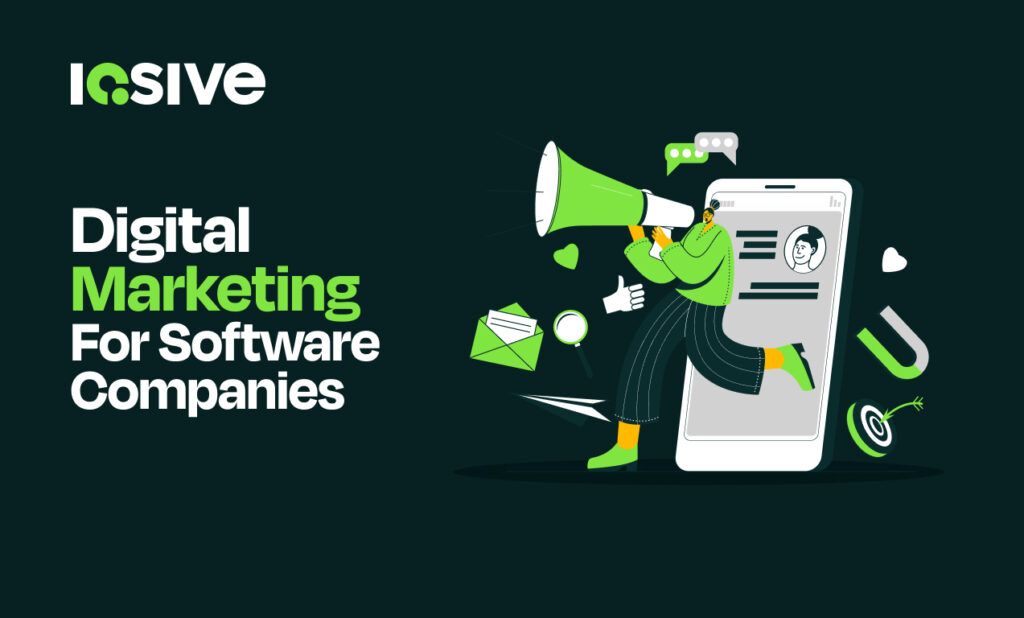

In today’s competitive landscape, software companies face unique challenges in reaching the right audience, building trust, and converting leads into loyal customers. Unlike traditional products, software solutions often require explanation, education, and a strong sense of authority before purchase decisions are made. Digital marketing bridges this gap by providing strategies tailored to how modern buyers search, evaluate, and commit to software solutions. This guide offers a comprehensive look at the tactics, tools, and trends software companies need to thrive in an increasingly digital-first marketplace.
Why Digital Marketing Matters for Software Companies
Shifts in the Software Buying Journey
The traditional sales funnel has evolved into a more complex buyer journey. Research from Gartner shows that modern B2B buyers spend only 17% of their time meeting with potential suppliers, while most of their decision-making happens independently online. This means a software company’s digital presence must deliver value at every stage, from awareness to consideration to decision. High-quality, accessible digital content ensures that when prospects research solutions, your brand provides the information they need to move forward with confidence.
Role of Trust and Authority in Tech Marketing
Software purchases often involve high costs and long-term commitments. Buyers want assurance that they’re investing in a reliable, trustworthy solution. Digital marketing provides multiple avenues, such as case studies, whitepapers, and authoritative blog content, to showcase expertise, reduce uncertainty, and build credibility. Establishing thought leadership in a crowded tech market not only attracts prospects but also differentiates your company from competitors who compete solely on features or price.
Core Digital Marketing Strategies for Software Companies
SEO for Software Companies
Search Engine Optimization (SEO) is the cornerstone of discoverability. Ranking for solution-specific keywords such as “best CRM for small businesses” or “cloud security software” can bring in high-intent traffic. For software companies, SEO isn’t just about traffic, it’s about positioning your brand as a go-to authority for critical industry questions.
Content Marketing for SaaS and Software Firms
Educational content helps prospects understand complex software solutions. Blogs, whitepapers, and video tutorials establish authority, while evergreen knowledge hubs answer recurring questions. By addressing pain points directly, content marketing nurtures leads and keeps them engaged over time.
Paid Advertising (PPC, Display, Retargeting)
Paid campaigns allow software companies to target precise buyer personas. Google Ads and display campaigns capture demand, while retargeting ensures no prospect falls through the cracks. For SaaS, retargeting campaigns are particularly effective in converting trial users into paying customers.
Social Media Marketing for Software Brands
Social channels extend reach, foster engagement, and showcase expertise. B2B software companies benefit most from platforms like LinkedIn and Twitter, where thought leadership content and industry discussions are valued. For B2C software, platforms like YouTube are critical for demonstrating product use cases and tutorials.
Email Marketing and Automation
Email campaigns remain one of the highest ROI channels for software companies. Automated workflows can guide prospects from trial to conversion and support onboarding for new customers. Segmentation ensures that messaging is personalized, relevant, and timely.
Building an Effective SEO Strategy
Keyword Research for Software Solutions
Effective keyword targeting goes beyond generic terms like “software” or “SaaS.” Long-tail keywords such as “HIPAA-compliant project management software” capture qualified prospects with specific needs. Tools like Ahrefs, SEMrush, or Google Keyword Planner can uncover opportunities with measurable search demand.
On-Page SEO Best Practices
Software companies must optimize meta titles, headings, and internal linking for both clarity and relevance. Incorporating structured data (schema markup) can improve visibility in search results by enabling rich snippets, making your listings more clickable.
Technical SEO Considerations for Software Sites
Speed, mobile-friendliness, and secure hosting are essential. Many SaaS websites also rely on complex product demo pages, which must be crawlable and indexable. Ensuring a clean technical foundation prevents lost traffic opportunities and enhances user experience.
Link Building and Digital PR in the Tech Industry
Backlinks remain a strong ranking signal. For software companies, PR strategies like publishing original research, contributing to industry reports, or offering expert commentary can naturally earn links from high-authority sources.
Content Marketing That Converts
Blog Posts and Knowledge Hubs
Consistent blogging on relevant topics builds organic visibility while providing practical answers to user queries. Knowledge hubs consolidate resources like FAQs, tutorials, and how-to guides, making them invaluable to both prospects and customers.
Case Studies and Whitepapers
Nothing builds trust like proof of success. Case studies highlight measurable results achieved with your software, while whitepapers demonstrate in-depth expertise on industry challenges and solutions. Both serve as powerful lead magnets in exchange for email signups.
Video Marketing and Webinars
Video content simplifies complex concepts. Tutorials, product walk-throughs, and customer success stories resonate strongly with visual learners. Webinars provide real-time engagement opportunities, positioning your team as experts while capturing qualified leads.
Interactive Demos and Free Trials
Allowing users to “try before they buy” is a powerful marketing tactic. Interactive demos reduce friction by giving prospects a taste of the software experience, while free trials move them closer to conversion when paired with nurturing campaigns.
Leveraging Paid Media Effectively
Google Ads for Software Companies
Google Ads allow you to capture intent-driven traffic searching for solutions like yours. Targeting both branded and competitor terms ensures visibility across the decision-making funnel.
LinkedIn Ads and B2B Targeting
LinkedIn remains the premier platform for B2B software advertising. Features like job title targeting allow software companies to reach decision-makers directly, from CIOs to IT managers.
Retargeting Campaigns to Reduce Churn
Retargeting nurtures hesitant prospects who abandoned sign-up forms or trial activations. For SaaS companies, these campaigns can also prevent churn by re-engaging existing customers with feature updates or upsell opportunities.
Social Media Strategies for Software Companies
Choosing the Right Platforms (LinkedIn, Twitter, YouTube)
The best platform depends on your target market. LinkedIn is crucial for B2B, Twitter for industry engagement, and YouTube for product education. Spreading efforts too thin across platforms dilutes impact.
Building Thought Leadership in the Tech Space
Consistently sharing expert insights, original research, and commentary positions your brand as an authority. Over time, this builds both reputation and trust.
User-Generated Content and Community Building
Encouraging reviews, testimonials, and community discussions fosters authenticity. Software users often trust peer experiences more than corporate messaging, making community-driven content an invaluable asset.
Measuring Digital Marketing Success
Key Metrics and KPIs for Software Marketing
Metrics should align with business goals. SaaS companies often track Monthly Recurring Revenue (MRR), Customer Acquisition Cost (CAC), and Customer Lifetime Value (CLV).
Using Analytics Tools for Data-Driven Growth
Platforms like Google Analytics, HubSpot, and Mixpanel allow marketers to monitor funnel performance, user behavior, and attribution models to optimize campaigns.
A/B Testing and Conversion Rate Optimization
Continuous testing ensures campaigns evolve with customer behavior. Testing landing pages, CTAs, and pricing models can significantly improve conversion rates.
Common Mistakes to Avoid in Software Marketing
Overlooking Customer Pain Points
Marketing that focuses only on features misses the mark. Successful campaigns emphasize the problems solved by your software, not just the technical details.
Focusing Only on Features, Not Solutions
Customers buy outcomes, not features. Highlighting benefits like “save time” or “reduce costs” resonates more than listing functionalities.
Ignoring Retention and Upsell Opportunities
Customer retention often provides higher ROI than acquisition. Neglecting upsell opportunities or post-sale engagement can limit long-term growth.
Future Trends in Digital Marketing for Software Companies
AI and Automation in Marketing
AI-driven personalization and predictive analytics will reshape how software companies engage with prospects. Automation reduces manual work while enhancing customer journeys.
Personalization and Account-Based Marketing
Account-Based Marketing (ABM) is gaining traction in B2B software sales. Personalized campaigns targeting specific companies or buyer groups deliver higher conversion rates.
Voice Search and Emerging Channels
Voice search adoption continues to rise, requiring companies to optimize for conversational queries. Emerging platforms like community-driven forums or niche podcasts also offer untapped opportunities.
Final Thoughts: Scaling Software Growth with Digital Marketing
Digital marketing provides software companies with scalable, measurable, and effective ways to attract and retain customers. From SEO to ABM, success depends on aligning strategies with customer needs and continuously adapting to evolving buyer behaviors. By combining trust-building content, data-driven decision-making, and a forward-looking approach, software companies can accelerate growth and stay ahead in an increasingly competitive market.
FAQs:
Q1: What is the best digital marketing strategy for software companies?
The best strategy combines SEO, content marketing, paid media, and retention-focused tactics. Success depends on aligning efforts with your target market and sales cycle.
Q2: How can SEO help software companies attract more clients?
SEO drives qualified traffic by making your solutions discoverable when prospects search for problem-specific queries, increasing visibility and lead generation.
Q3: Which social media platforms are most effective for SaaS businesses?
LinkedIn is best for B2B, Twitter for thought leadership, and YouTube for tutorials and demos. The choice depends on your target audience.
Q4: How much should a software company spend on digital marketing?
Budgets vary, but many SaaS firms allocate 15–25% of revenue to marketing, depending on growth goals and competitive landscape.
Q5: What content works best for software and SaaS marketing?
Case studies, whitepapers, video tutorials, and knowledge hubs perform well because they educate, build trust, and showcase real-world results.
Q6: How do software companies generate leads online?
Through SEO, paid ads, gated content (like whitepapers), free trials, webinars, and personalized email campaigns.
Q7: Why is LinkedIn important for B2B software marketing?
LinkedIn allows targeting decision-makers directly and fosters professional engagement, making it highly effective for lead generation and brand building.
Q8: How can software startups compete with established companies in digital marketing?
Startups can focus on niche markets, agile strategies, personalized campaigns, and thought leadership to differentiate from larger players.
Q9: What are the biggest challenges in marketing a SaaS product?
Challenges include explaining complex solutions, reducing churn, standing out in crowded markets, and proving ROI to cautious buyers.
Q10: How do I measure ROI on digital marketing for software companies?
Track metrics like CAC, CLV, MRR, and attribution models to understand how marketing spend translates into revenue and long-term customer value.